As a home inspector, you often find yourself in places most homeowners rarely venture—attics, crawlspaces, and basements with unknown hazards lurking around every corner. From dodging rusty nails to navigating aging electrical systems, it’s crucial to be prepared for anything. And that’s where safety equipment comes into play. In this post, we’re going to walk through the essential gear every home inspector should have to stay safe and confident while on the job.
1. Hard Hat
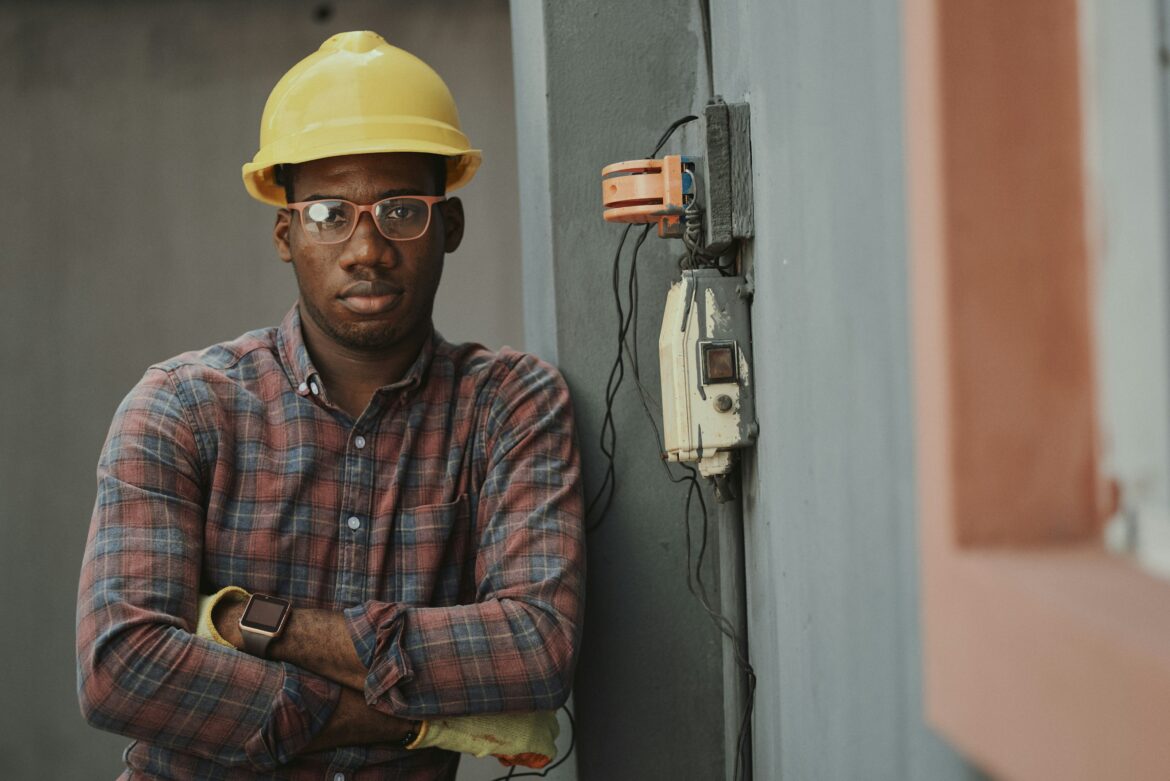
It might seem like overkill for inspecting a home, but trust me—a hard hat can be a real lifesaver in tight spaces. If you’re in a crawlspace or an attic, you could easily bump your head on low ceilings, beams, or exposed pipes. In older homes, there’s also a risk of loose materials like insulation or plaster falling unexpectedly. A hard hat provides that extra layer of protection to keep your head safe from both accidental bumps and falling debris.
2. Sturdy Footwear
Home inspections take you from the yard to the roof and everywhere in between. You need footwear that’s not only comfortable for long hours but also provides protection and traction on different surfaces. The best option is a pair of steel-toe boots or shoes with non-slip soles. These will help you avoid injuries from sharp objects on the ground or uneven surfaces, and keep you steady when walking on slippery or unstable areas like wet basements or roofs.
3. Gloves
Your hands are your tools, and you need to protect them! Gloves are essential for handling sharp, dirty, or hazardous materials. During an inspection, you might encounter exposed nails, electrical wires, insulation, or even mold. A good pair of gloves can prevent cuts, burns, or contact with harmful substances. For electrical inspections, always have a pair of insulated gloves in your kit to avoid shocks.
4. Mask or Respirator
Some home environments aren’t exactly fresh air-friendly. From mold spores to asbestos and dust-filled attics, you never know what you might breathe in while inspecting a home. Having a mask or, even better, a respirator with replaceable filters can make a huge difference for your health, especially when dealing with older homes that may have hidden hazards.
- Dust Masks: Good for light protection when you’re dealing with dirt, insulation, or small amounts of debris.
- N95 or Respirator: A must-have when you’re inspecting areas with potential mold, asbestos, or harmful chemicals.
5. Safety Goggles or Glasses
Your eyes are vulnerable, and during a home inspection, there’s no shortage of hazards that can send particles flying your way. Whether it’s checking out crawlspaces with loose insulation, cutting into drywall, or even encountering pests (hey, it happens!), safety glasses or goggles are essential. They can prevent injuries from dust, wood splinters, or accidental exposure to harsh chemicals during environmental inspections.
6. Flashlight
Even in homes with working electricity, there are always dimly lit areas that need a closer look. A high-quality flashlight is your best friend during inspections. A headlamp is another great tool for hands-free light, especially when you’re working in crawlspaces or attics. Just make sure it’s bright enough to spot any potential issues, and always carry a backup (or extra batteries) in case your first one gives out mid-inspection.
7. Ladder and Ladder Safety Gear
Roof inspections are part of the job, and that means you need to have a sturdy, reliable ladder. But owning a ladder is only part of the equation—using it safely is critical. Before you climb up, make sure your ladder is on solid, level ground, and always maintain three points of contact (both feet and one hand, or both hands and one foot).
You should also invest in a ladder stabilizer, which helps keep the ladder steady when you’re working on uneven ground or around gutters. And never forget your harness when working on taller or steeper roofs. While not necessary for every roof inspection, a harness can give you added peace of mind when you’re dealing with higher or more dangerous areas.
8. Electrical Tester
Electrical systems can be hazardous, especially in older homes with outdated wiring. Before you touch any electrical outlets, panels, or switches, an electrical tester is essential. This little tool can detect live wires and prevent electrical shocks. It’s an easy-to-carry, must-have device for safely inspecting any home’s electrical components.
9. Knee Pads
Crawlspaces and attics often mean spending a good amount of time on your knees, inspecting foundations or roof structures. Knee pads are a small investment that can save you a lot of discomfort later. They protect your knees from hard surfaces and sharp objects, and they make those low-level inspections a lot more bearable.
10. First Aid Kit
Accidents happen—even when you’re being extra cautious. Having a well-stocked first aid kit on hand is always a smart idea. Whether it’s a small cut, a scrape, or even an unexpected allergic reaction, being able to treat minor injuries on the spot can save you from bigger problems later on. Make sure your kit includes bandages, antiseptic wipes, pain relievers, and any personal medical items you might need in a pinch.
11. Phone with Emergency Contacts
It might seem obvious, but your phone is one of the most important safety tools you have. Not only can you use it to call for help if needed, but it’s also a great way to document any issues you find during an inspection. Make sure your phone is fully charged, and keep emergency contacts readily available—just in case.
Wrapping Up
Being a home inspector comes with a unique set of challenges, but with the right safety equipment, you can protect yourself while confidently performing thorough inspections. From hard hats to respirators, having the right gear is essential to ensure that both you and the home you’re inspecting stay safe.
Remember, safety first, inspection second! Gear up before you head out, and you’ll be ready for whatever surprises the next home throws your way.
Stay safe and happy inspecting!