As a home inspector, I’ve seen firsthand how easily accidents can happen in the bathroom. It’s one of the most common places where slips, trips, and falls occur, especially for young children, the elderly, and anyone with limited mobility. But the good news is, with a little effort and some simple changes, you can make your bathroom much safer for everyone in your household. Here are my top bathroom safety tips to help you avoid common hazards and create a safer environment.
1. Install Grab Bars
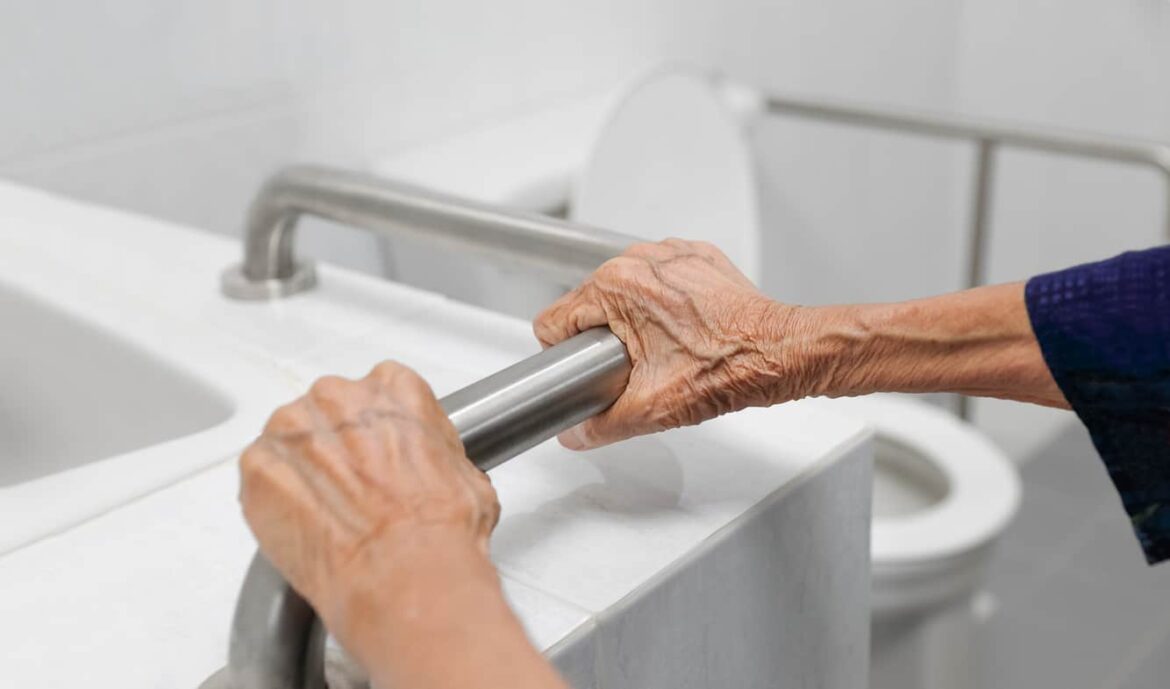
Grab bars are one of the easiest and most effective ways to improve bathroom safety. Whether you’re getting in and out of the shower, stepping out of the tub, or using the toilet, having sturdy grab bars within reach can help prevent slips and falls. Make sure these bars are properly installed in the right spots — near the shower or bathtub, beside the toilet, and anywhere else you might need extra support. Don’t just rely on towel racks, as they may not be strong enough to support your weight.
2. Non-Slip Bath Mats
Bathrooms are notorious for being slippery, especially when wet. A non-slip bath mat or rug can make a big difference in preventing falls. Be sure to choose mats with a rubber backing or anti-slip surface, as this will help keep them securely in place. Also, avoid using mats with frayed edges, as these can create tripping hazards.
3. Proper Lighting
Good lighting is essential for safety in the bathroom. Make sure all areas, including the shower or bathtub, vanity, and toilet, are well-lit. This is especially important at night, when many people use the bathroom in the dark. A nightlight or motion-sensor light can be a great addition, so you don’t have to fumble around in the dark, trying to find the light switch.
4. Shower and Bathtub Safety
Slips in the shower or bathtub are some of the most common accidents. To help reduce this risk, install non-slip decals or a non-slip bath mat inside the tub or shower. You can also find textured adhesive strips that adhere directly to the floor of the shower or bathtub. These little additions can make a big difference in preventing dangerous slips.
Additionally, make sure the water temperature is regulated with a thermostatic mixing valve. This will help prevent scalding accidents, especially if you have children or elderly family members who may be more sensitive to hot water.
5. Keep Your Bathroom Clutter-Free
Bathrooms often become catch-all spaces for all sorts of products, towels, and other items. But clutter can quickly turn into a tripping hazard. To reduce the risk of falls, keep the floor clear of any unnecessary items, and ensure that things like rugs and towels are kept in place. Use shelves, hooks, or baskets to organize your bathroom essentials and keep them off the floor.
6. Test Water Heater Settings
Water temperature plays a huge role in bathroom safety. The hot water in your sink, shower, and bathtub should never be too hot to cause burns. The U.S. Consumer Product Safety Commission recommends setting your water heater to 120°F (49°C) to prevent scalding injuries. If you have children or elderly family members, you may want to lower it a few degrees for added safety.
7. Use a Shower Chair or Bench
If you or someone in your household has mobility issues, consider adding a shower chair or bench. These allow users to sit while showering, reducing the risk of slipping while standing. Many models are adjustable and can be placed in most standard showers. Some even come with built-in grab bars for added stability.
8. Child-Proof Your Bathroom
If you have young children, bathroom safety becomes even more important. Make sure all cleaning supplies, medications, and toiletries are stored out of their reach. Consider using childproof locks on cabinets, especially under the sink, to prevent curious little hands from accessing harmful substances. You can also install a toilet lock to prevent accidental drowning.
9. Regularly Check for Mold and Mildew
Mold and mildew thrive in damp, warm environments like bathrooms, and exposure can lead to health issues, especially for those with respiratory problems. Regularly inspect the bathroom for signs of mold growth, especially in places like the shower grout, around the toilet, or under the sink. Ventilate the room well, and use an exhaust fan or open a window to keep humidity levels low.
10. Inspect Plumbing and Fixtures
Over time, plumbing fixtures and pipes can become worn or damaged, which could lead to leaks or even water damage. Make sure to regularly check all faucets, drains, and pipes for signs of leaks or wear. A leaky faucet or a slow drain might seem like a minor issue, but it could cause water to pool on the floor, creating a slip hazard.
11. Bathroom Ventilation
Proper ventilation is key to keeping your bathroom safe and healthy. Without adequate airflow, moisture can build up, leading to mold, mildew, and damage to the bathroom structure. Make sure your bathroom is equipped with a good exhaust fan, ideally one that vents directly to the outside. Regularly check that it’s functioning properly to keep humidity levels in check.
12. GFCI Protection
Electrical safety is crucial in bathrooms, where water and electricity are in close proximity. Be sure all bathroom outlets are equipped with Ground Fault Circuit Interrupter (GFCI) protection. This safety feature prevents electrical shock by cutting power if it detects a ground fault. Test your GFCI outlets regularly to ensure they’re working properly, and always use GFCI-protected outlets for any appliances or devices in the bathroom.
In Conclusion
Your bathroom should be a place of comfort and relaxation, not a source of worry. By taking a few simple steps to address potential hazards—whether it’s adding grab bars, improving ventilation, or ensuring GFCI protection—you can make your bathroom safer for everyone in your home. Remember, safety doesn’t have to be complicated, but it does require a little thought and attention. If you ever have any doubts or questions about your bathroom’s safety, don’t hesitate to reach out to a professional home inspector. I’m always here to help!
Stay safe and enjoy your bathroom with peace of mind!