Hey there! If you’ve ever been involved in a home inspection, you know it can be a bit of an adventure—crawling into tight spaces, climbing onto roofs, or checking out dusty attics. As much as we love diving into the details of homes, safety should always come first. Whether you’re a home inspector, a potential buyer, or just someone curious about how things work, here’s a friendly guide to help ensure every inspection is a safe and smooth experience.
1. Gear Up Properly
Before even stepping onto the property, make sure you’re dressed for the occasion. A home inspection can take you to all kinds of places, from basements to rooftops, so your outfit should be functional and protective. Here’s what I always recommend having:
- Sturdy shoes or boots: You’ll want something with good grip, especially if you’re navigating slippery or uneven surfaces.
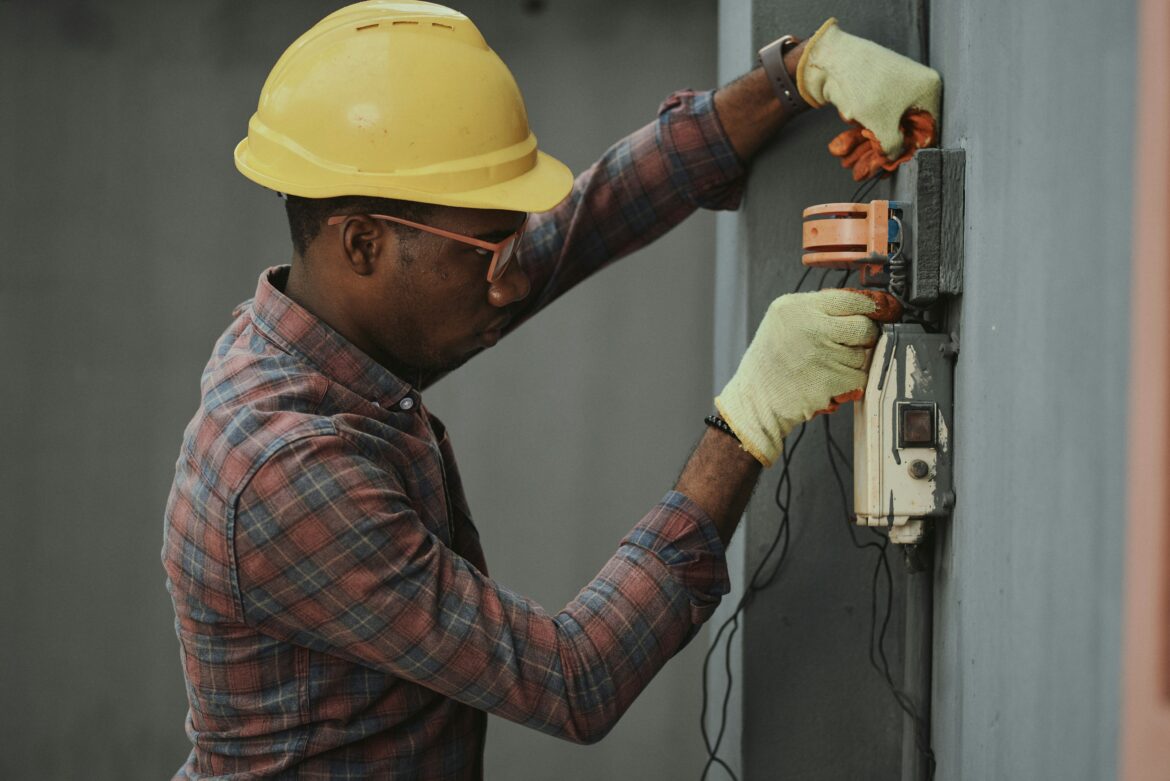
- Gloves: For handling sharp objects, dirty areas, or electrical panels.
- Protective eyewear: When inspecting attics or crawlspaces where debris or insulation can be present.
- Mask or respirator: This is key when there’s a risk of mold, dust, or asbestos exposure.
- Flashlight: Even in well-lit homes, there are always dark nooks and crannies that need attention.
A good rule of thumb is: if you’re unsure about something, err on the side of over-preparing. It’s always better to be over-equipped than under-protected!
2. Know the Property
Every home is different, and some properties come with hidden hazards. Before diving into the inspection, take a few moments to familiarize yourself with any unique risks. Is the home older and possibly containing asbestos? Is there a chance of lead paint in homes built before 1978? How about the condition of the roof? Is it safe to walk on, or should you inspect from a ladder?
It’s always a good idea to check the weather conditions as well—especially if you’re inspecting a roof. A wet or icy roof can turn a routine check into a dangerous situation.
3. Watch Your Step
Home inspections often involve climbing ladders, balancing in attics, or exploring unfinished basements. Always move cautiously and be aware of your surroundings. Here are a few things to keep in mind:
- Ladders: Ensure it’s on stable ground and never overreach. Use both hands when climbing and avoid carrying tools up and down the ladder.
- Attic spaces: Not all attics have flooring that can support your weight. Always step on the joists and avoid walking directly on insulation, which might not be as solid as it looks.
- Basements: Be on the lookout for low ceilings, exposed nails, and tripping hazards like old pipes or uneven floors.
Remember, taking a little extra time to ensure your footing can save you from injury down the road.
4. Electrical Safety
One of the biggest hazards during an inspection is electricity, especially in older homes with outdated wiring. When you’re checking electrical panels or outlets, take these precautions:
- Turn off circuits if you’re unsure about the wiring or if the electrical system looks compromised.
- Use insulated tools to protect yourself from shock.
- Avoid water: If there’s water in the basement or around any electrical appliances, steer clear until it’s dried up or the power is shut off.
And if something seems off, don’t hesitate to call in an electrician. It’s better to be cautious when it comes to electricity.
5. Mold, Radon, and Asbestos Hazards
These three can be invisible but potentially harmful if not handled correctly. If the home you’re inspecting is older or has signs of water damage, you might be dealing with more than just surface issues.
- Mold: Wear a mask if you suspect mold growth, especially in basements, bathrooms, or behind walls. Prolonged exposure can lead to respiratory issues.
- Radon: It’s colorless and odorless, but radon can be a serious health hazard. A simple radon test kit will help identify if there’s a problem.
- Asbestos: If the home was built before the 1980s, there’s a chance asbestos is present in insulation or old tiles. Asbestos is safe if left undisturbed, but if you need to inspect it, wear protective gear and consider professional testing.
6. Stay Calm and Take Your Time
Sometimes, we can feel pressured to move quickly during an inspection, especially if buyers or realtors are waiting for a report. But rushing can lead to mistakes—or worse, accidents. If you ever feel uncertain about a situation, it’s okay to pause, reassess, and make sure you’re taking the safest approach.
Every inspection is a learning opportunity, and safety always comes first. So, take a deep breath, move methodically, and know that it’s better to be thorough and safe than fast and careless.
Wrapping Up
Conducting a home inspection safely isn’t just about protecting yourself—it’s also about ensuring the integrity of the home and the well-being of its future occupants. By gearing up properly, being mindful of the property, and taking your time, you can make sure every inspection is completed safely and effectively.
Remember, a safe inspector is a smart inspector. So, the next time you head into a home for an inspection, take these tips with you—and stay safe out there!
Happy inspecting!