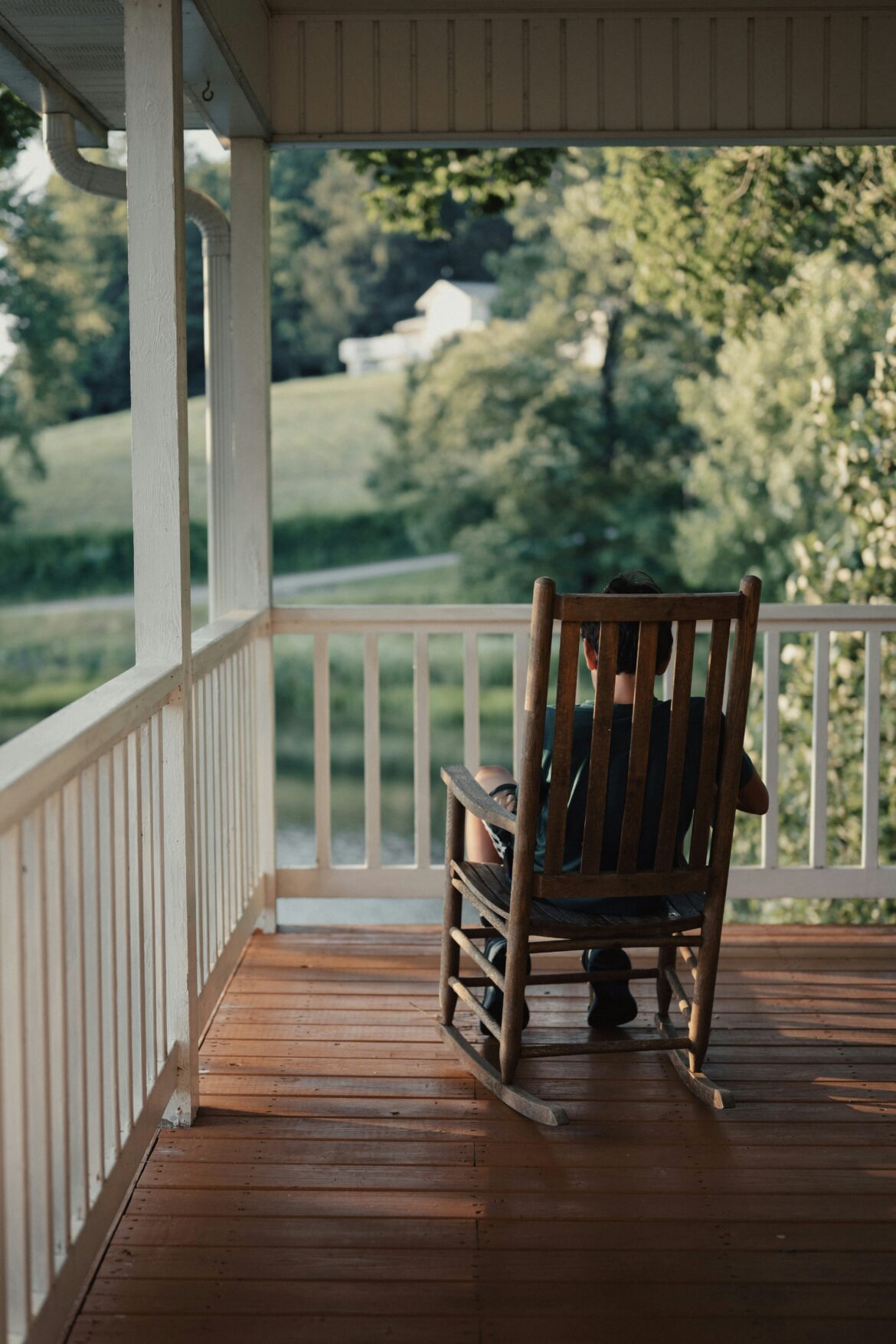
Decks are a popular feature of many homes, offering a great place to relax, entertain, or enjoy the outdoors. However, they also require regular maintenance and attention to ensure they remain safe for use. At SafeHomeInspections.net, we understand the importance of deck safety for homeowners. In this article, we’ll highlight common deck safety concerns and provide essential tips on how to keep your deck in top condition, so you can enjoy it with peace of mind.
1. Inspect the Deck Regularly
Regular inspections are the first step to ensuring that your deck remains safe. Over time, wear and tear from weather, foot traffic, and natural settling can cause problems that might go unnoticed until they become more serious. It’s important to inspect your deck periodically to catch potential hazards early.
Things to Look For:
- Loose or damaged boards: Over time, deck boards can loosen or crack, creating tripping hazards. Check for any boards that have popped up or splintered and replace them promptly.
- Rotted or damaged wood: Wood exposed to moisture can rot, weakening the structure. Pay special attention to areas around fasteners, posts, and supports where water can accumulate.
- Corroded or loose fasteners: Nails, screws, and bolts can loosen or corrode over time. Check to ensure they are secure and replace any that show signs of rust or corrosion.
2. Check the Structural Integrity
The structural components of your deck are critical to its safety. The frame, posts, and beams support the weight of the deck and anyone using it. Over time, these parts can deteriorate or shift, leading to a weakened structure that could fail under pressure.
What to Inspect:
- Posts and beams: Make sure the posts are firmly anchored in the ground and are not leaning, rotting, or showing signs of damage. Beams should be level and straight.
- Ledger board: The ledger board is the piece that connects the deck to your house. Check for any signs of detachment or damage, as this could compromise the deck’s stability.
- Joists and supports: Examine the joists for any signs of sagging or deterioration. Ensure that all supporting beams and joists are intact and securely fastened.
3. Ensure Proper Drainage
Decks that don’t have proper drainage can suffer from moisture buildup, which leads to rotting wood and potential mold growth. This moisture can also damage the deck’s structure, posing safety risks.
How to Improve Drainage:
- Gutters and downspouts: Ensure that gutters and downspouts are in good working condition and direct water away from the deck. This will help prevent water from pooling beneath the deck.
- Deck elevation: If your deck is built close to the ground, make sure there is enough ventilation underneath to allow air circulation. This helps prevent moisture from getting trapped, which can cause rot.
- Flashing: Proper flashing around posts and beams can help direct water away from the wood and prevent rotting.
4. Guardrails and Balusters
A deck without a sturdy guardrail or balusters can be a significant safety hazard, especially for children or pets. Ensure that your deck’s guardrails and balusters meet safety standards and are securely fastened.
Guardrail Safety Tips:
- Height requirements: Guardrails should be at least 36 inches high (depending on local building codes). For decks that are higher than 30 inches off the ground, guardrails are typically required by code.
- Spacing between balusters: Ensure that the space between balusters is no more than 4 inches apart to prevent children from slipping through.
- Secure attachments: Check that guardrails are firmly attached to the deck and that there are no loose or wobbly sections. Balusters should be tightly secured to prevent any movement.
5. Proper Lighting for Safety
Outdoor decks, especially those used at night, should have adequate lighting to prevent trips and falls. Poor visibility can lead to accidents, so make sure your deck is well-lit and easy to navigate after dark.
Lighting Ideas:
- Deck stairs: Install lights along the edges of the stairs to help people safely ascend and descend, especially in the dark. LED stair lights are a popular and energy-efficient option.
- Ambient lighting: Consider installing ambient lighting around the deck to brighten the space without being too harsh. Solar lights are a low-maintenance and eco-friendly option.
- Task lighting: If you have seating or cooking areas, task lighting will help illuminate specific spots for activities like grilling or reading.
6. Treat and Maintain the Deck Surface
Wooden decks require regular maintenance to remain durable and safe. Without proper care, the wood can deteriorate over time, leading to splinters, discoloration, and weakening of the structure.
Tips for Maintaining Wooden Decks:
- Seal and stain the deck: Apply a protective sealant to the wood every 1-2 years to help protect it from moisture and UV damage. Staining your deck can also give it an added layer of protection and enhance its appearance.
- Clean the surface: Use a deck cleaner to remove dirt, algae, and mildew that can build up over time. A clean deck is not only aesthetically pleasing, but it also reduces the risk of slipping.
- Check for splinters and rough spots: Sand down any areas where the wood has splintered or become rough. This will help prevent injury from sharp edges and splinters.
7. Prevent Hazards from Furniture and Accessories
Deck furniture, grills, and other accessories can contribute to accidents if not properly maintained or placed. Keep these items secure and ensure that they don’t pose a tripping hazard.
Furniture Safety Tips:
- Sturdy furniture: Make sure that outdoor furniture is stable and secure. Lightweight chairs or tables can easily be blown over or tipped, causing injury.
- Grills and fire pits: If you have a grill or fire pit on the deck, ensure it is safely positioned away from the edge of the deck and any flammable materials. Always follow manufacturer instructions for safe use and maintenance.
- Secure accessories: Make sure that any hanging plants, lights, or decorations are secure and won’t easily fall.
8. Follow Local Building Codes
When constructing, renovating, or maintaining a deck, it’s crucial to follow local building codes to ensure that your deck meets safety standards. Local codes may vary, so check with your municipality for specific regulations related to deck construction, safety features, and materials.
Key Areas to Check:
- Deck height and clearance: Local codes often have specific height requirements for decks and guardrails. Ensure that your deck meets these requirements to avoid potential hazards.
- Material specifications: Building codes may dictate the type of wood or materials used in deck construction, as certain materials offer greater durability and safety than others.
- Permit requirements: Major deck modifications or installations may require a permit. Make sure all work is inspected by a professional to confirm it meets safety standards.
Conclusion
A well-maintained deck is an excellent addition to any home, providing a space to relax, entertain, and enjoy the outdoors. However, regular maintenance and attention to safety are essential to ensure that your deck remains safe for you, your family, and guests. By inspecting your deck, checking for structural integrity, ensuring proper drainage, and maintaining safety features, you can enjoy your outdoor space without worry. You don’t have to take our word for it. Upchurch Inspection has a list of common deck problems discovered by home inspectors.
If you’re unsure about the condition of your deck, consider scheduling a professional home inspection. Experienced inspectors will assess your deck and identify potential safety hazards, ensuring that your deck remains a safe and enjoyable space for years to come. Contact us today to schedule an inspection. For more home safety and inspection information, check out our home page to find more articles.