
As people age, many prefer to remain in the comfort and familiarity of their own homes, a practice known as “aging in place.” Aging in place allows seniors to maintain their independence while enjoying the emotional and practical benefits of living in a space they know well. However, it’s important to ensure that the home is adapted to meet the evolving needs of older adults. At SafeHomeInspection.net, we understand the importance of a safe and accessible living environment for seniors. In this article, we’ll explore practical ways to modify your home to support aging in place and make it safer for senior living.
1. Enhance Mobility and Accessibility
As we age, mobility can become more challenging. To make your home safe and easy to navigate, consider making modifications to ensure accessibility throughout the home.
Key Changes to Consider:
- Install ramps or remove stairs: If there are steps at the entrance or inside the home, installing ramps or eliminating stairs can significantly improve accessibility for those with limited mobility or who use a wheelchair or walker.
- Widen doorways and hallways: Ensure that doorways and hallways are wide enough to accommodate mobility aids like wheelchairs or walkers. Ideally, doorways should be at least 32 inches wide.
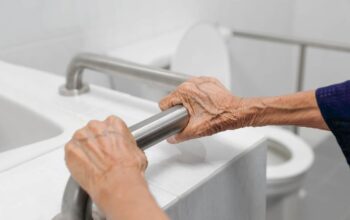
- Add grab bars and handrails: Installing grab bars in bathrooms, hallways, and staircases provides extra stability and support. Handrails can also be added along hallways and stairs to prevent falls.
- Non-slip flooring: Install non-slip flooring, particularly in bathrooms and kitchens, where wet surfaces can be hazardous.
2. Bathroom Modifications for Safety
The bathroom is one of the most hazardous areas in a home, especially for seniors. With the right modifications, the risk of falls and injuries can be greatly reduced.
Safety Features to Consider:
- Walk-in tubs or roll-in showers: Traditional bathtubs can be difficult to navigate, especially for those with limited mobility. Walk-in tubs and roll-in showers allow for easier entry and exit while providing a safer bathing experience.
- Shower benches and handheld showerheads: Adding a shower bench provides a place to sit while bathing, and a handheld showerhead allows for greater control and ease of use.
- Raised toilet seats: A raised toilet seat can make it easier to sit down and stand up, reducing the strain on the knees and hips.
- Anti-scald faucets: Install anti-scald faucets that prevent water from getting too hot, reducing the risk of burns.
3. Improve Lighting and Visibility
As we age, our vision can deteriorate, making it more difficult to see hazards around the home. Improving lighting is essential to ensure safe navigation throughout the house.
Lighting Tips for Seniors:
- Increase brightness in key areas: Use bright, even lighting in hallways, stairways, kitchens, bathrooms, and any other spaces where accidents are more likely to occur. Motion-sensor lights can be particularly useful in these areas.
- Install night lights: Night lights in bedrooms, hallways, bathrooms, and stairways can help seniors navigate the home safely during the night without needing to turn on overhead lights.
- Reduce glare: Use lampshades or diffusers to reduce harsh lighting that could cause glare or discomfort for seniors with sensitive eyes.
- Avoid clutter: Keep walkways and rooms clear of clutter to prevent tripping hazards, ensuring that pathways remain well-lit and easy to navigate.
4. Upgrade the Kitchen for Ease of Use
The kitchen is a central part of the home, but it can present challenges as people age. Simple modifications can make the kitchen safer and more user-friendly for seniors.
Kitchen Modifications to Consider:
- Lower counters and cabinets: If bending or reaching becomes difficult, lowering the height of counters and cabinets can help seniors work more comfortably in the kitchen.
- Easy-to-use appliances: Consider upgrading to appliances that are easy to operate. For example, stoves with front-facing controls, ovens with side-opening doors, and refrigerators with pull-out drawers can make daily tasks more manageable.
- Touchless faucets: Touchless faucets are not only more hygienic, but they also make it easier for seniors with arthritis or limited hand strength to operate.
- Organize essentials within easy reach: Keep frequently used items, such as utensils, plates, and cookware, at waist level to minimize the need for bending or reaching.
5. Smart Home Technology for Increased Independence
Incorporating smart home technology can provide additional safety and convenience for seniors who want to remain independent.
Smart Home Devices to Consider:
- Voice-activated assistants: Devices like Amazon Echo or Google Home can assist with a variety of tasks, from controlling lights and thermostats to making phone calls and setting reminders. These devices can make it easier for seniors to manage daily tasks without having to move around too much.
- Medical alert systems: A medical alert system with a wearable pendant or bracelet can help seniors quickly summon assistance in case of an emergency.
- Smart doorbells and security systems: Video doorbells and smart security cameras can provide peace of mind by allowing seniors to see who is at the door or monitor their surroundings remotely.
6. Fall Prevention Measures
Falls are one of the leading causes of injury among seniors, so taking steps to prevent falls is one of the most important aspects of aging in place.
Fall Prevention Tips:
- Secure rugs and carpets: Loose rugs and carpets can easily cause trips and falls. Use non-slip rug pads or remove rugs altogether to minimize this risk.
- Keep pathways clear: Ensure that furniture and other obstacles are arranged in a way that allows easy, unobstructed movement throughout the home.
- Use stable furniture: Make sure furniture is sturdy and has armrests that can help with standing up and sitting down. Avoid furniture with sharp edges that could cause injury.
- Install motion sensors: Motion sensor lights in hallways and staircases can illuminate pathways and alert seniors to any obstacles in their way.
7. Prepare for Emergencies
Emergency preparedness is an important aspect of aging in place, as seniors may need quick access to assistance in case of an emergency.
Steps for Emergency Preparedness:
- Emergency contact list: Keep a list of important phone numbers, including family members, caregivers, and medical professionals, in an easily accessible location.
- First-aid kit: Ensure that there is a well-stocked first-aid kit available in key areas of the home, such as the kitchen and bathroom.
- Smoke and carbon monoxide detectors: Test smoke and carbon monoxide detectors regularly to ensure they are functioning properly. Consider adding extra detectors in areas where seniors spend a lot of time.
Conclusion
Aging in place is an appealing option for many seniors who want to maintain their independence while staying in a familiar and comfortable environment. However, to make this possible, it’s essential to adapt the home to meet the evolving needs of older adults. By making simple modifications—such as improving mobility, enhancing safety features, and incorporating smart home technology—you can create a secure and supportive living environment for seniors to age comfortably in place.
At SafeHomeInspection.net, we specialize in helping homeowners assess their properties for safety and functionality. If you’re planning to age in place or care for an aging loved one, contact us for a thorough home inspection to ensure your home is safe and ready for the future.