
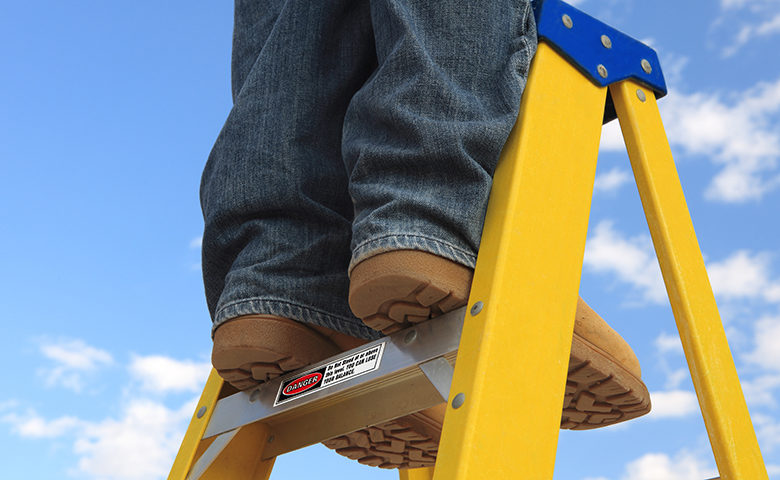
As a home inspector, ladders are an essential tool of the trade. Whether you’re climbing onto roofs, accessing attics, or inspecting high ceilings, using a ladder safely is critical to your health and the success of your business. According to the Occupational Safety and Health Administration (OSHA), falls are a leading cause of workplace injuries, and many of these incidents involve ladders. Here are some key ladder safety tips tailored specifically for home inspectors.
1. Choose the Right Ladder for the Job
Not all ladders are created equal. Ensure that you select a ladder that suits the task at hand:
- Material: Opt for fiberglass or aluminum ladders, as they’re lightweight yet durable.
- Type: Use an extension ladder for reaching roofs and a step ladder for interior inspections.
- Height: Ensure the ladder is tall enough to avoid overreaching. Extension ladders should extend at least 3 feet above the roofline.
- Weight Capacity: Check the ladder’s duty rating to ensure it can support your weight plus any tools you’re carrying.
2. Inspect the Ladder Before Each Use
Before climbing, perform a quick safety check:
- Look for cracks, dents, or bent rungs.
- Ensure all rivets and bolts are secure.
- Check that non-slip feet are intact and clean.
- Verify that extension ladders have working locks and pulleys.
3. Set Up the Ladder Properly
Improper setup is a common cause of ladder accidents. Follow these guidelines:
- Place the ladder on a stable, level surface. Use ladder levelers if necessary.
- For extension ladders, follow the 4:1 rule: position the ladder base 1 foot away from the wall for every 4 feet of ladder height.
- Secure the top of the ladder to prevent shifting.
- Avoid placing ladders near doorways or high-traffic areas unless barriers or warning signs are in place.
4. Use the Ladder Correctly
Safe ladder use requires discipline and attention to detail:
- Maintain three points of contact (two hands and one foot or two feet and one hand) at all times.
- Face the ladder while climbing and avoid leaning or reaching too far to the side.
- Carry tools in a tool belt or use a pulley system to lift them rather than holding items while climbing.
- Avoid climbing higher than the third rung from the top of a step ladder or the second rung from the top of an extension ladder.
See this publication from OSHA for information about reducing ladder falls.
5. Be Mindful of Environmental Conditions
Home inspections often require outdoor work, so consider the weather and surroundings:
- Avoid using ladders in high winds or during rain, snow, or icy conditions.
- Be cautious around power lines—never use a metal ladder near electrical hazards.
- Ensure the area around the ladder base is free of debris, mud, or loose gravel.
6. Know Your Limits
While ladders are indispensable, there are situations where safety should take precedence over completing an inspection:
- If conditions are unsafe, such as a steep roof pitch or strong winds, inform the client and recommend a specialized contractor for those areas.
- Always prioritize your well-being over pushing through hazardous conditions.
7. Invest in Training and Equipment
Continuous education and proper equipment can reduce risks:
- Attend ladder safety training courses.
- Use accessories like ladder stabilizers and harnesses for added security.
- Regularly update your ladder inventory to replace worn-out or outdated models.
Here are two courses you can consider, to learn more about ladder safety:
1. National Osha Foundation: Ladder Safety Training – Paid Course
2. American Ladder Institutes: Ladder Safety Training – Free Course
3. PDH Safety’s – OSHA Ladder Safety Training Course – Free Course
Conclusion
For home inspectors, ladders are indispensable tools, but they also present significant risks if not used correctly. By following these ladder safety tips, you can reduce the likelihood of accidents, protect yourself from injury, and maintain a professional reputation. Remember: a safe home inspector is an effective home inspector. Prioritize safety, and you’ll be able to serve your clients confidently and securely for years to come.